Blog ·
How Your Homeowner's Insurance Changes with Solar Panels
Your Home's Value and Insurance Coverage
When you invest in residential solar panels, you're adding valuable equipment to your property. Your homeowner's insurance needs to reflect this improvement, which means having a conversation with your insurance provider about your coverage.
Most homeowners discover that installing solar panels does affect their insurance policy, but not always in the way they expect. Rather than automatically increasing your premiums, adding solar often means updating your dwelling coverage limits to account for the new technology and its replacement value.
What Your Insurer Needs to Know
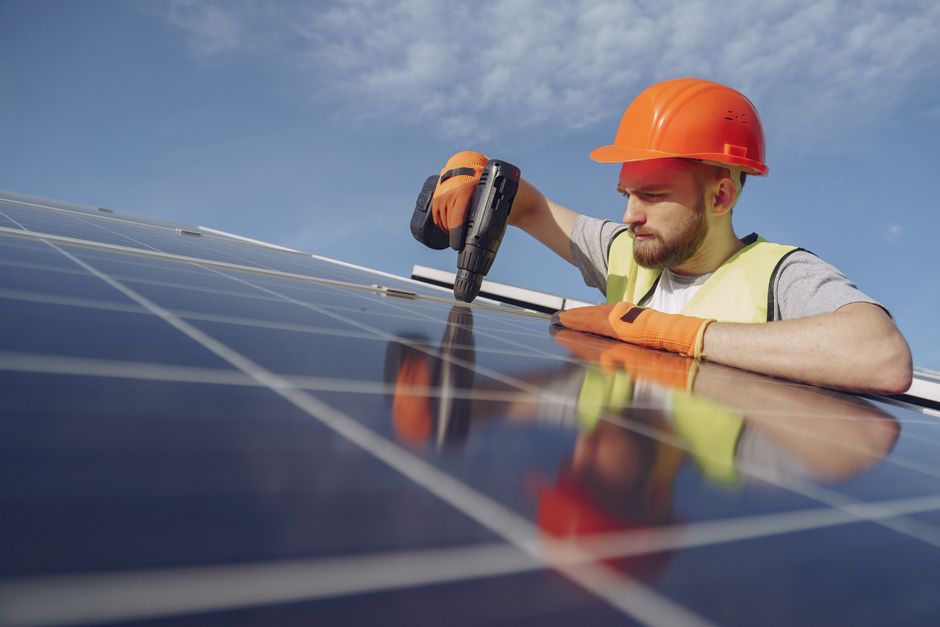
When you install solar panels through Zyrianzena, document everything: the equipment specifications, installation date, and system capacity. Your insurer will want these details to properly assess your home's replacement cost. Quality solar panel installations are typically viewed favorably by insurers because they represent a permanent, professional improvement rather than a DIY project.
If you're adding battery storage systems to your setup, be sure your insurance company knows about this component as well. Battery storage is increasingly recognized by the insurance industry as a sophisticated safety feature that can actually reduce certain risks associated with electrical systems.
Smart Monitoring and Risk Reduction
Here's where your investment becomes even more interesting to insurers: smart energy monitoring systems. These systems provide real-time oversight of your electrical infrastructure, which can help identify potential problems before they become insurance claims. Many insurance providers view this proactive approach favorably, sometimes resulting in modest discounts or offsetting premium increases.
The monitoring capability demonstrates that you're actively managing your home's electrical health, which reduces the likelihood of failures or fire-related incidents. This tangible risk reduction is something forward-thinking insurance companies recognize.
Next Steps with Your Insurance Provider
Before installation, contact your homeowner's insurance agent and ask specifically how adding solar panels will affect your policy. Get this information in writing. After installation, provide your insurer with all documentation related to your system. Some insurers even have specific riders or endorsements designed for solar installations.
The relationship between solar power and homeowner's insurance continues to evolve. As more homes adopt residential solar technology, insurance companies develop better ways to assess these systems. Working with a trusted solar provider like Zyrianzena means you'll have professional documentation that makes the insurance process straightforward.
Your investment in solar energy is about long-term savings and sustainability. Understanding how it integrates with your homeowner's insurance ensures you're fully protected while enjoying the benefits of clean energy.