Blog ·
Maximizing Solar Efficiency: Practical Steps for Better Performance
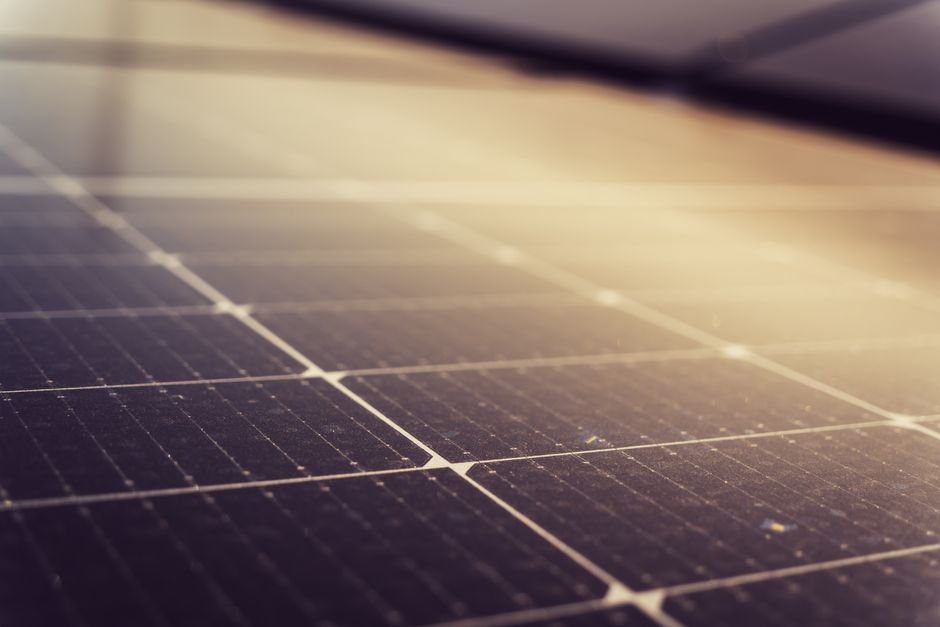
Installing solar panels is just the beginning. Taking strategic steps to optimize your system's performance ensures you capture every available benefit from the sun's energy and maximize your return on investment over the system's lifetime.
Optimize Your System's Physical Performance
Begin with your installation itself. Ensure your panels receive unobstructed sunlight during peak production hours, typically between nine in the morning and three in the afternoon. If trees or structures cast shadows during these times, professional trimming or panel repositioning might be worth considering. Dust, pollen, and debris reduce efficiency, so periodical cleaning—particularly after storms or in dusty seasons—maintains peak output. Many homeowners find that twice-yearly cleaning provides excellent results without excessive effort.
Leverage Smart Monitoring
Modern monitoring systems provide unprecedented insight into your energy production. Use this data strategically by shifting energy-intensive activities to peak production hours. Running washing machines, charging electric vehicles, and using pool pumps during midday when your system produces maximum power reduces your dependence on grid electricity. Some advanced systems allow you to set automated alerts when production exceeds consumption, helping you capitalize on high-generation periods.
Manage Your Home's Energy Consumption
- Evaluate Appliance Efficiency: Aging appliances consume more power and waste your solar generation
- Improve Insulation: Better home insulation reduces heating and cooling demands on sunny and cloudy days alike
- Use Energy-Efficient Lighting: LED bulbs reduce nighttime grid dependence
- Install Smart Thermostats: Automated temperature management optimizes heating and cooling cycles
Consider Battery Storage Integration
Adding battery storage fundamentally changes how you use solar energy. Rather than sending excess midday production back to the grid, batteries capture that energy for evening use when production drops. This increases your household self-sufficiency and provides backup power during outages. Battery systems pair particularly well with time-of-use electricity rates, where storing solar energy to use during peak pricing hours creates additional savings.
Regular System Inspections
Annual inspections by professionals identify efficiency issues before they impact performance significantly. These assessments check inverter function, electrical connections, mounting hardware integrity, and panel condition. Addressing minor issues promptly prevents cascading problems that could reduce system output.
Efficiency optimization is ongoing. As you understand your system's patterns and your home's energy needs better, you continuously discover new opportunities to align consumption with solar generation, deepening the benefits your residential installation provides.