Blog ·
Understanding Your Solar System: A Homeowner's Guide to Energy Independence
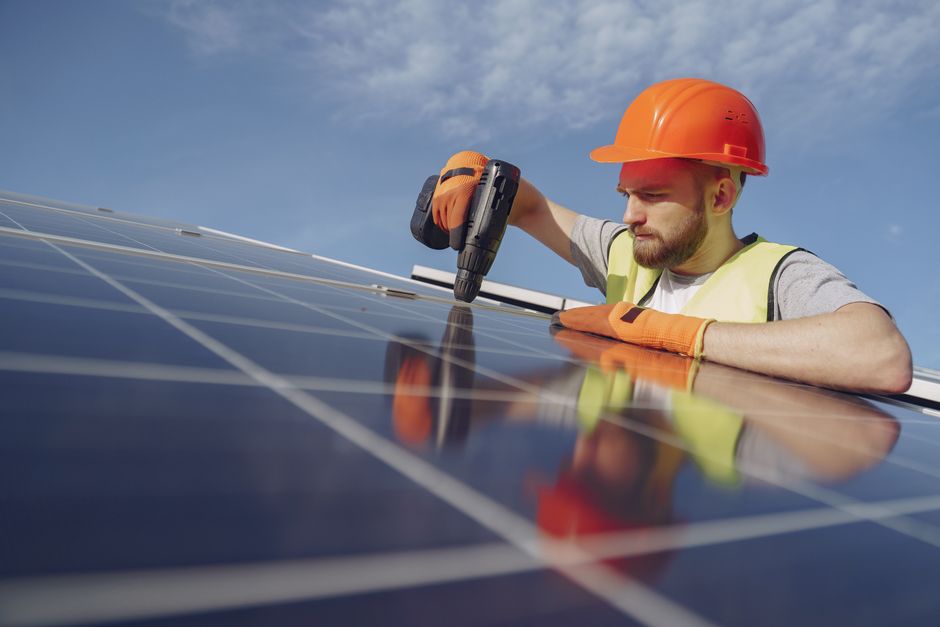
Switching to solar power represents one of the most significant decisions you can make for your home's future. Understanding how your solar system works is the first step toward maximizing its benefits and feeling confident in your investment.
How Residential Solar Works
Your solar installation converts sunlight directly into usable electricity through photovoltaic cells. These panels capture solar energy and convert it into direct current electricity, which an inverter then transforms into alternating current—the standard power type your home uses. During peak sunlight hours, your system generates more power than you typically consume, and modern systems allow this excess energy to be directed back to the grid or stored for later use.
Key Components of Your System
- Solar Panels: The visible component that captures sunlight and initiates energy conversion
- Inverter: Converts solar-generated DC power into usable AC electricity
- Mounting Hardware: Secures panels safely to your roof while optimizing angle and orientation
- Monitoring System: Tracks real-time energy production and consumption
- Battery Storage (optional): Stores excess energy for use during evening hours or cloudy days
What Affects Your System's Performance
Several factors influence how efficiently your solar system operates. Roof orientation and angle matter significantly—panels facing south with proper tilt capture maximum sunlight. Shading from trees, buildings, or structures can substantially reduce output, which is why a professional site assessment matters. Weather patterns in your region affect seasonal production, though modern systems generate power even on cloudy days.
Monitoring Your Energy Production
Digital monitoring systems give you real-time visibility into your solar performance. These platforms show you exactly how much energy your panels are producing, how much you're consuming, and whether excess power flows back to the grid. Understanding these patterns helps you shift high-energy activities to peak production hours, further maximizing your benefits.
Maintenance and Longevity
Quality residential solar systems require minimal maintenance. Regular inspections, occasional cleaning in dusty environments, and monitoring software alerts keep everything functioning optimally. Modern panels maintain approximately ninety percent efficiency after twenty-five years, with many lasting well beyond that timeframe.
Your solar system represents a long-term partnership with renewable energy. By understanding its components and how they work together, you position yourself to make informed decisions about upgrades, troubleshooting, and maximizing the energy independence your installation provides.